ok so my understanding is that the resulting (single-celled) organism survived for multiple generations after fusing. there was no crazy cell corruption, just normal proliferation and division.
even though the cell had both the full set of genes of a hamster and of an algae. for some reason, most of the genes of the algae were inactive, however, and did not produce any proteins. so it was mostly just a hamster cell, functionally speaking. and now the scientists are trying to figure out what activates/deactivates the algae genes too.

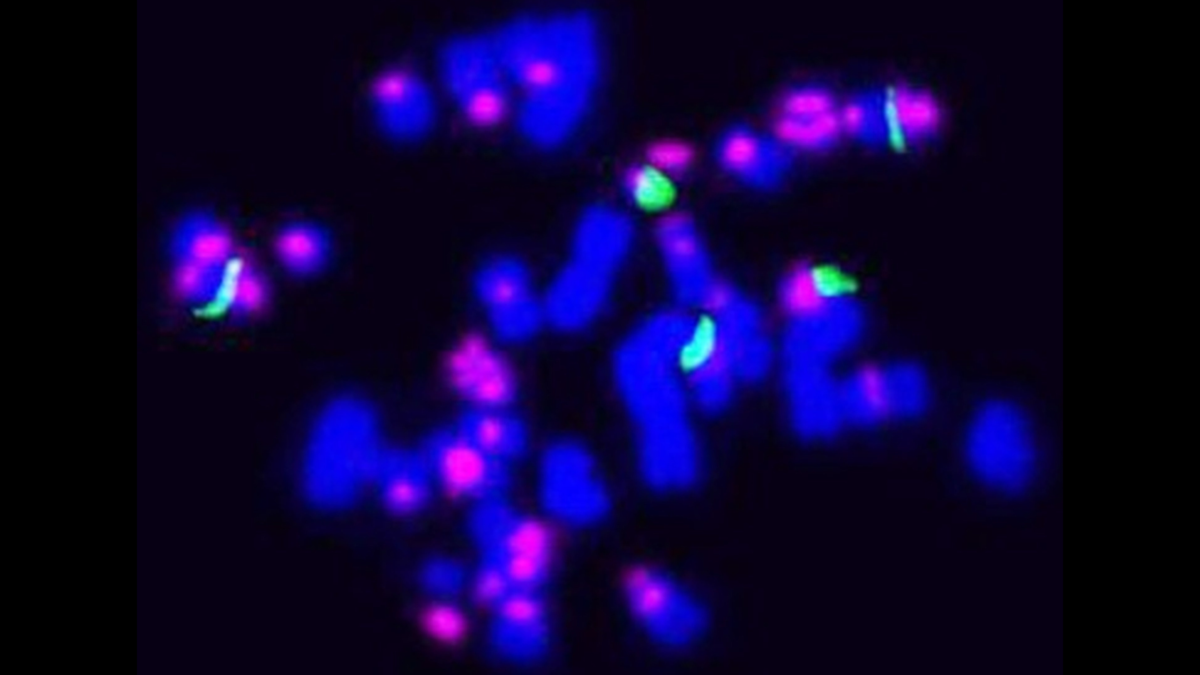
ok so my understanding is that the resulting (single-celled) organism survived for multiple generations after fusing. there was no crazy cell corruption, just normal proliferation and division.
even though the cell had both the full set of genes of a hamster and of an algae. for some reason, most of the genes of the algae were inactive, however, and did not produce any proteins. so it was mostly just a hamster cell, functionally speaking. and now the scientists are trying to figure out what activates/deactivates the algae genes too.